
Drainage That Handles Seasonal Flooding
Water Systems and Drainage in Roseburg for properties facing winter saturation and summer drought
Southern Oregon's seasonal water extremes create drainage challenges that standard residential systems cannot handle—winter flooding saturates soil and overwhelms undersized culverts, while summer drought leaves properties without adequate water access or storage. French drain installation, culvert work, and surface grading address these problems by moving excess water away from structures during wet months and directing water to storage or distribution systems when needed. WGH Custom Tractor & Construction LLC designs water management systems in Roseburg for properties dealing with seasonal runoff that damages foundations, driveways, and landscaping or for sites requiring reliable water access year-round.
Water management involves calculating runoff volumes from storms, sizing drainage structures to handle peak flows, and routing water to locations where it disperses safely or collects for later use. French drains intercept subsurface water and convey it away from foundations or saturated yard areas, culverts pass water under driveways and roads without causing erosion or overtopping, and surface swales direct sheet flow to controlled discharge points. Installation recently completed includes a 40-foot culvert with full excavation and grading to handle seasonal creek flow crossing a property access road.
Request a drainage evaluation to identify water flow patterns and design solutions for your property's seasonal conditions.
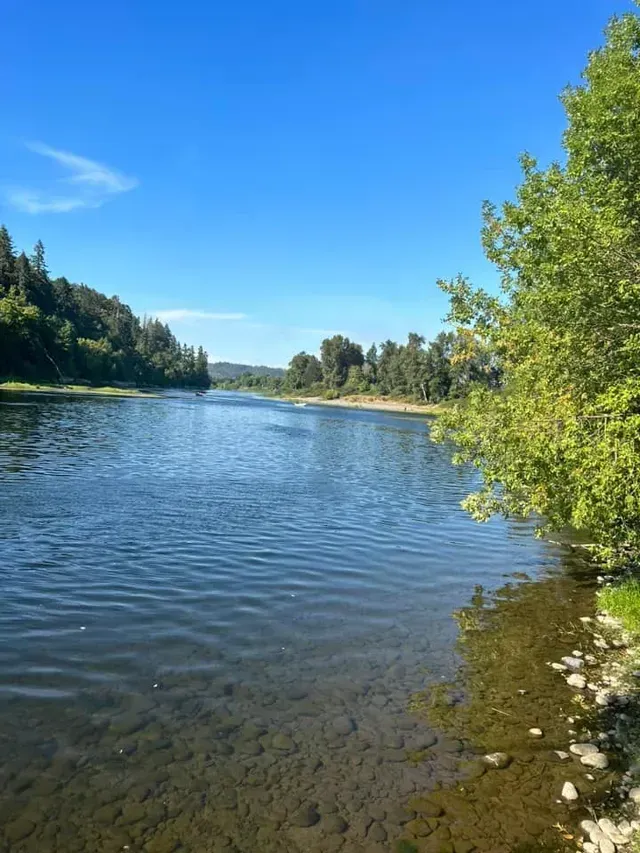
What Changes After Drainage Systems Are Installed
French drain installation involves excavating a trench along the water collection path, placing perforated pipe surrounded by gravel, and wrapping the assembly in filter fabric to prevent soil infiltration. The pipe outlets to daylight at a lower elevation or connects to a drainage system that disperses water away from the problem area. Gravel allows water to enter the pipe quickly while the fabric prevents fine soil particles from clogging the voids between stones.
You notice foundation walls stay dry during winter rains, yard areas that previously turned into swamps remain usable, and driveways no longer wash out or develop soft spots from water running across or under the surface. Culverts sized correctly for Southern Oregon's storm intensity pass water without backing up or eroding inlet and outlet areas, which prevents the road washouts and impassable conditions that occur when undersized pipes force water over roadways. WGH Custom Tractor & Construction LLC calculates flow requirements based on drainage area, slope, and rainfall intensity rather than guessing at pipe size, which is how drainage systems function correctly during actual storm events instead of failing when most needed.
Water system work includes coordinating discharge locations to avoid creating drainage problems on neighboring properties, obtaining permits when work affects waterways or wetlands, and installing erosion control at outlets where high-velocity discharge could cause gullying. Poorly planned drainage that dumps concentrated flow onto adjacent land or into sensitive areas creates liability and environmental violations that require expensive remediation.
Questions Before Starting Your Project
Water management projects generate questions about system design and long-term function in variable seasonal conditions.
How are French drains different from surface drainage solutions?
French drains intercept subsurface water moving through soil, while surface grading and swales handle runoff flowing across the ground. Properties often need both systems working together—surface drainage to prevent water from infiltrating and subsurface drainage to remove water already in the soil.
What size culvert is required for seasonal creek crossings?
Culvert sizing depends on the watershed area draining to the crossing point, the slope of the channel, and design storm intensity for the region. In Roseburg's winter storms, undersized culverts cause backwater flooding that washes out roads and creates impassable conditions when the pipe cannot pass peak flow volumes.
Why do drainage systems need outlets designed for erosion control?
Water concentrated by drainage pipes exits at high velocity and erodes unprotected soil, creating gullies that undermine the drainage system and send sediment downstream. Rock aprons, energy dissipaters, or vegetated buffers slow discharge velocity and prevent erosion at outlet locations.
When does property drainage require permits?
Work affecting wetlands, streams, or waterways typically requires permits from local and state agencies, and drainage alterations that change flow onto neighboring properties may require easements or agreements. Unpermitted work leads to stop-work orders and expensive corrective actions when violations are discovered.
How does seasonal drought affect water system design?
Properties relying on surface water may need storage systems to capture winter runoff for summer use, or well systems may require careful management to avoid over-pumping during low-flow periods. Southern Oregon's dry summers mean water availability in winter does not guarantee adequate supply year-round without proper planning.
WGH Custom Tractor & Construction LLC has designed and installed water management systems across Douglas County's challenging seasonal conditions. Reach the company at (541) 580-6149 to discuss drainage solutions that address your property's specific water issues.